
By Anand Seetharaju, CPA, CMA

An attributed profitability segment adds market segment characteristics to a journal entry when its true account assignment is another object, such as an internal order or project. In SAP S/4HANA Margin Analysis, this enables earlier analysis by customer, product, brand, or other supported dimensions using information available when the posting is created.
Attribution helps explain costs before period-end settlement, but it does not turn the original posting into a true account assignment to a profitability segment. This guide explains the distinction, the classic configuration, a WBS example, and the reporting and release checks needed to use the results correctly.
What Is an Attributed Profitability Segment?
A profitability segment combines characteristic values that describe a market segment. For example, the combination might identify a customer group, product group, and brand.
For supported postings without a true profitability segment assignment, SAP derives available characteristics and stores them in the Universal Journal (ACDOCA). This is often described as the best-guess principle: use the information known at posting time to provide reporting detail during the period.
Figure 1 illustrates how the Universal Journal brings accounting and market segment information together. Attribution adds analytical detail; it does not create a second cost posting.
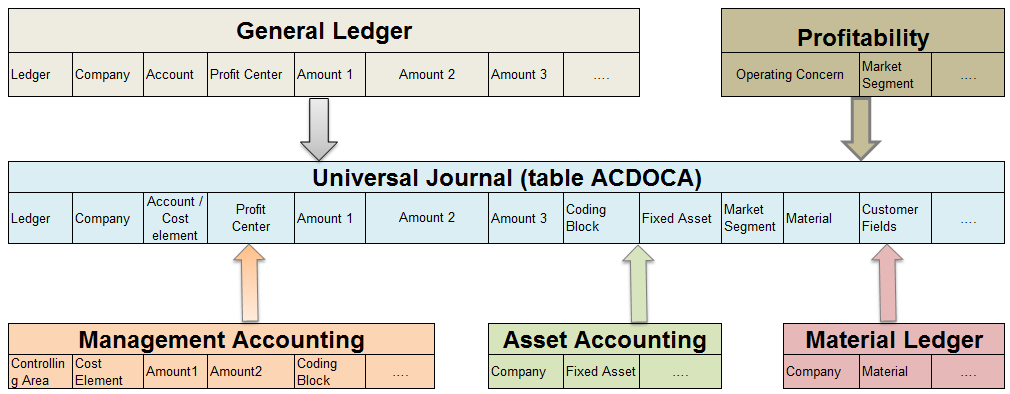
Figure 1: Universal Journal Integration
True vs. Attributed Account Assignments
Table 1 compares the two assignments. A true account assignment identifies the actual receiver of the posting. Attribution supplements the posting with characteristics for analysis.
| Aspect | True Profitability Segment Assignment | Attributed Profitability Segment |
|---|---|---|
| Account assignment | The posting is assigned to a profitability segment. | The posting remains assigned to its original object, such as a WBS element. |
| Reporting | Supports profitability reporting for the actual assignment. | Adds market segment dimensions to supported journal-based reporting. |
| Follow-on processing | Participates in applicable settlement and allocation processes. | Primarily serves reporting; eligibility for a specific follow-on use depends on the process and release. |
Table 1: True and Attributed Profitability Segment Assignments
Do not assume an attributed characteristic is available as a true receiver in every subsequent process. Some releases provide explicit options to include attributed line items as reference data in Universal Allocation top-down distribution. Check that setting separately; it does not change the source item's true account assignment.
How Characteristic Derivation Works
The derivation sequence depends on the original account assignment object and the SAP release. For classic internal-order scenarios, the system can use a settlement rule with a profitability segment receiver. Related sales order information and CO-PA derivation can supply characteristics in supported fallback scenarios.
A cost center posting follows its own derivation logic and does not require the same settlement-rule design as a project. Supported object types and special balance sheet cases also differ by deployment. Validate the relevant object and G/L account rather than applying one rule to all postings.
This functionality belongs to Margin Analysis. It does not automatically populate costing-based CO-PA value fields. For custom characteristics, see SAP Margin Analysis Extensibility: KEA5 vs Custom Fields.
Activate Derivation in SAP S/4HANA
In classic SAP S/4HANA on-premise Customizing, review:
Controlling → Profitability Analysis → Master Data → Activate Derivation for Items without Profitability Segment
Activate the relevant derivation settings for the account assignment objects in scope. For typical income statement postings, check that the G/L account is defined as Primary Costs or Revenue or Secondary Costs. Balance sheet attribution is subject to specific supported scenarios and account settings.
Figure 2 shows the historical project configuration screen. Use it to understand the design; confirm the available settings in your release. SAP S/4HANA Cloud Public Edition uses its own configuration scope and delivered content.
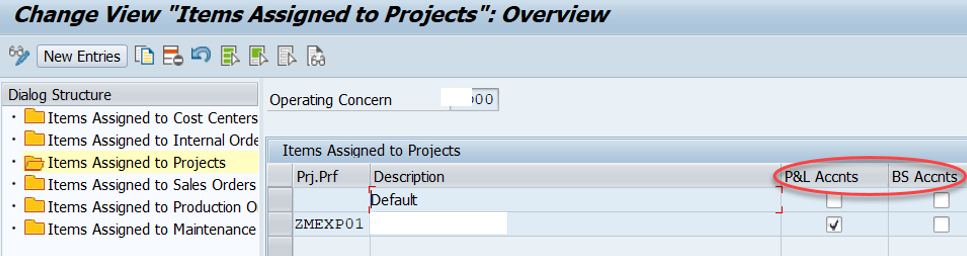
Figure 2: Activate Derivation for Project Postings
Example: Derive Brand from a WBS Settlement Rule
The following screenshots retain the original example tested in SAP S/4HANA 1809. The WBS element collects project costs, while a settlement rule supplies the market segment characteristics used for attribution.
- Maintain the receiver. Create a settlement rule assigning 100% to one profitability segment, as shown in Figure 3. Include the required characteristic values, such as brand, in the receiver segment.
- Post a test document. Post an eligible expense to the WBS element after the derivation settings and master data are in place.
- Check the result. Review the original journal entry and its attributed characteristics. In this example, brand is populated in ACDOCA, as shown in Figure 4.
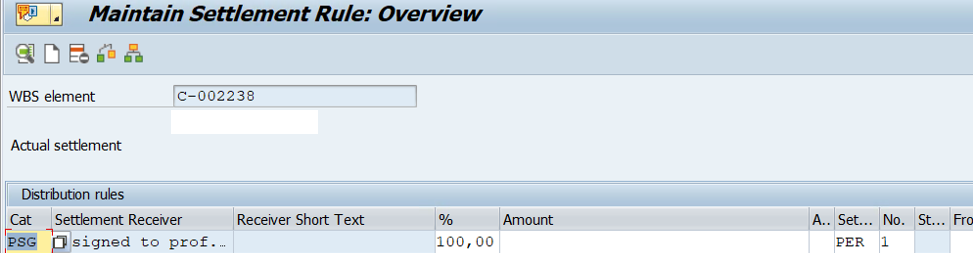
Figure 3: WBS Settlement Rule with a Single Receiver
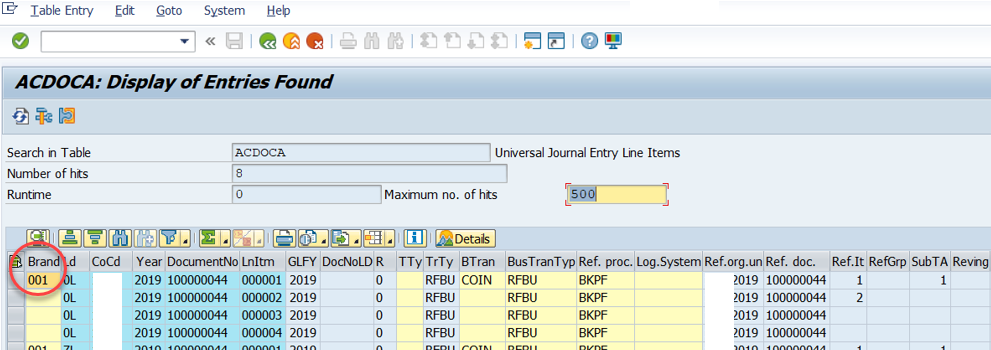
Figure 4: Brand Derived in the Universal Journal
The cost remains assigned to the WBS element until the applicable subsequent processing takes place. Seeing brand on the journal entry is evidence of attribution, not evidence that settlement has already run.
Split Settlement Rules and Release Differences
In the original 1809 test, splitting the settlement rule between different profitability segments prevented the expected brand derivation. Figure 5 shows a 60:40 split, and Figure 6 shows the resulting blank brand field.
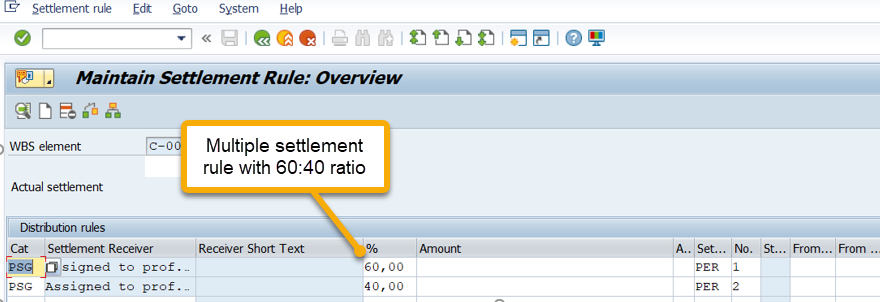
Figure 5: Split Settlement Rule in the Original 1809 Test
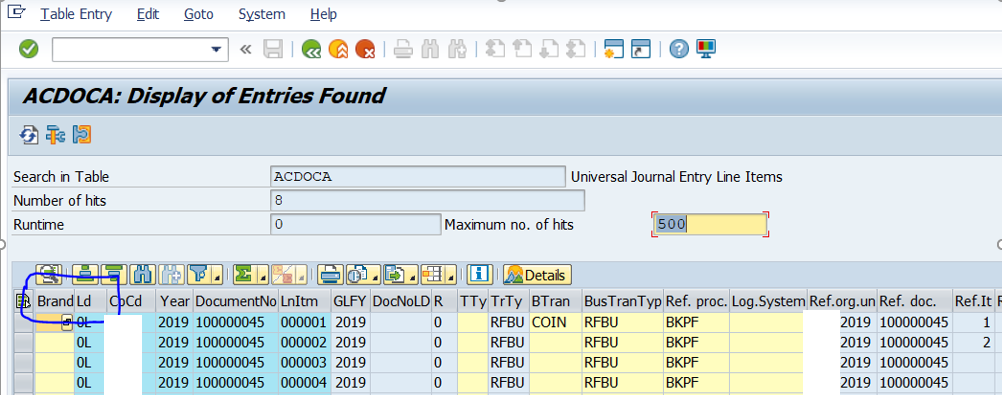
Figure 6: Brand Not Derived in the Split-Rule Test
Treat this as a release-specific test result. A settlement process can support percentage distribution while the attribution logic still requires an unambiguous segment. The original article references SAP Note 2439201; check its current applicability and correction level for your system.
Current Public Edition distinction: SAP S/4HANA Cloud Public Edition 2602 introduced project attribution that checks the profitability segment in project or WBS master data before the settlement-rule fallback. SAP explains that settlement-rule attribution needs a 100% assignment to one profitability segment. This newer project-master option must not be assumed to exist in every on-premise release.
Report on Attributed Characteristics
Use a report or analytical query that exposes the relevant Universal Journal characteristics and includes the required account assignments. Classic costing-based CO-PA reporting does not gain these journal attributes automatically, and a report restricted to true profitability segment assignments may omit attributed postings.
Before creating a custom CDS-based query, check the delivered reporting content, available fields, filters, authorizations, and supported extensibility. Compare the original journal item with the report output using the same ledger, company code, period, account, and currency.
Maintain the distinction between the original attribution and later closing postings. Settlement or other closing activities can still be needed when characteristics change or when the business process requires a true profitability segment assignment. Avoid combining original and settlement views in a way that counts the same costs twice.
Common Configuration Issues
If a characteristic is blank or a report omits a posting, review the source journal item before changing the report.
- Derivation not active: check the relevant object settings in the applicable configuration.
- Ambiguous receiver: inspect split settlement rules and the release-specific source of project profitability characteristics.
- Missing source values: verify the receiver segment, related sales order data, and characteristic derivation rules.
- Existing postings: changing master data does not prove that earlier journal items were rederived. Test the supported correction or closing procedure.
- Unsupported account or object: verify account types and the deployment's supported scenarios.
- Reporting scope: confirm that the query reads the relevant characteristics and includes attributed postings.
Conclusion
Attributed profitability segments make market segment information available earlier in the accounting process. Successful use depends on clear derivation sources, supported account assignments, and reporting that reads the right journal characteristics. Keep the historical WBS example, your current release, and true profitability segment processing distinct when validating the design.
Need Help with SAP Margin Analysis?
ERPCorp helps you review profitability characteristic derivation, account assignments, settlement design, and reporting in SAP S/4HANA. Discuss how to make project and order costs visible by the market segments your business needs.
Related Articles and SAP References
- About Anand Seetharaju
- SAP Margin Analysis Extensibility
- General Ledger Accounting with SAP S/4HANA, by Anand Seetharaju and Mayank Sharma
- ERPCorp Membership and SAP Session Recordings
- SAP Help: Margin Analysis
- SAP Learning: Attributed Profitability Segments and Activation
- SAP Help: Settling Orders and Projects
- SAP Help: Attributed Line Items in Universal Allocation
- SAP Help: Attribution for Projects with Revenue, Public Edition 2602
Glossary
Attributed Profitability Segment
Market segment characteristics derived on a journal entry for reporting while the original account assignment remains on another object.
Characteristic
A reporting dimension in Profitability Analysis, such as customer, product, brand, or product group.
CO-PA
Profitability Analysis, used to analyze results by market segment. SAP S/4HANA supports Margin Analysis; costing-based CO-PA availability depends on the deployment.
Derivation
The rules and source data used to determine characteristic values for a posting.
Margin Analysis
Account-based profitability analysis integrated with the Universal Journal in SAP S/4HANA.
Profitability Segment
A combination of characteristic values that identifies a market segment for profitability analysis.
Settlement Rule
Instructions defining the receivers and distribution of costs or revenues collected on a sender object. A rule can also supply characteristics for supported attribution scenarios.
True Account Assignment
The actual controlling account assignment of a journal entry item. A true assignment to a profitability segment participates in the applicable follow-on profitability processes.
Universal Journal (ACDOCA)
The journal entry line-item data model that integrates financial and management accounting in SAP S/4HANA.
WBS Element
A work breakdown structure element used to organize and control project work, costs, and revenues.